

Record intake of newly qualified midwives headed to the bush
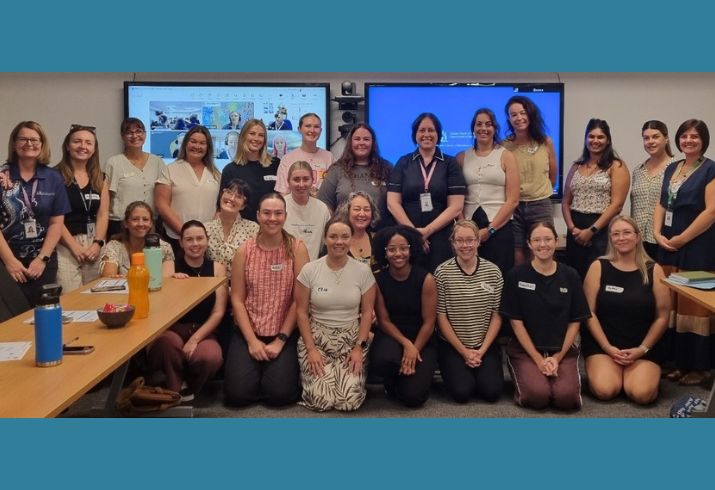
WA Country Health Service will once again welcome a record number of newly qualified midwives, with the 2026 intake the biggest-to-date.
22 graduate midwives have been allocated to maternity sites across country WA, stretching from Broome in the Kimberley to Albany in the Great Southern.
19 of the newly minted midwives attended a two-day midwifery orientation at WA Country Health Service’s central office in Perth late last month.
Delivered under the watchful eye of award-winning Clinical Midwife Educator Sian Skillcorn, the event is vitally important in preparing the new midwives for their career in country health.
“It provides a structured and supportive transition into rural practice,” she said.
“The orientation ensures graduates are introduced to essential clinical skills, organisation policies, and region-specific frameworks that underpin safe maternity care across diverse and often remote settings.”
Several of the midwives have come through the organisation’s Paid Student Midwifery Model run in partnership with Notre Dame University, which provides Registered Nurses employed by the health service access to a paid pathway to obtain a post-graduate qualification in midwifery.
Molly Groat is a newly qualified midwife making the move to Broome all the way from Townsville.
“I was inspired by my Aunty, who spent many years in the Kimberley as a nurse,” she said.
“I loved hearing her stories about nursing, but also the lifestyle, camping adventures, country and the great community.
“I had always wanted to experience that for myself and thought that starting my midwifery career was a great time to make the move across.”
Another of the newly qualified midwives is Alicia Spyvee, who is completing the joint WA Country Health Service and Kind Edward Memorial Hospital Women and Newborn Health Service graduate program.
The pathway offers midwives valuable exposure to both metropolitan and regional maternity services, providing them a breadth of experience.
Executive Director of Nursing and Midwifery Alison Weatherstone said the intake of midwives shows that different pathways into the field are a key aspect of the organisation’s recruitment and retention strategy.
“This demonstrates just how important diverse pathways are for midwifery in supporting rural workforce development and access to care for country families,” she said.
“It enriches the workforce and contributes to sustainable and skilled midwifery across regional WA.”