

Empowering our patients with one question
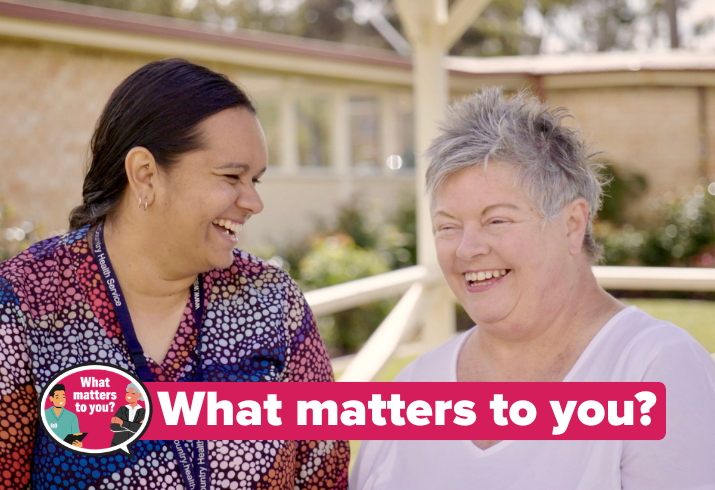
Today – 2 June – is International What Matters to You? (WMTY) Day.
WMTY is an international movement – adopted across healthcare sectors worldwide – that encourages meaningful conversations that support person-centred care for patients, and their families and carers.
We’ve made a commitment to embed WMTY into clinical practice, strategies and activities, in line with Improving Safety and Quality in Healthcare – a Strategic Plan for all Western Australians 2024-2026.
To reaffirm this commitment, our Patient Experience and Community Engagement (PEaCE) team has created a What Matters to You? Staff Guide, which support our workforce to initiate conversations thoughtfully and systematically throughout care.
The comprehensive guide covers:
- Why WMTY is important.
- How to have meaningful conversations with patients, and their families and carers.
- Turning the information shared during these conversations into action.
- Ensuring we consistently check-back in as treatment continues.
- Applying WMTY through an inclusive lens.
- Monitoring and evaluation of the process.
Director Patient Safety and Quality Jaimy Wisse said a simple question can be incredibly powerful.
“It gives our consumers a safe space to voice what matters to them, which we know has a profound positive impact in their care and overall experience.
“What matters to me will be vastly different to what matters to someone else.
“People aren’t the same, which means their healthcare plans and journeys shouldn’t be the same either.”
Jaimy also emphasised the creation of the Guide as a way to solidify what we know is already happening innately across our sites.
“Compassion is an integral part of healthcare, and we know our staff – often intuitively – practice the WMTY approach,” he said.
“The positive feedback we receive through Care Opinion really validates this.
“The Guide is a way we put these methods into formal practice – a way we can ensure our conversations and interactions have a positive influence on a patient’s care experience and outcomes.”