

Healing Steps: Putting our best for forward for Aboriginal people living with diabetes-related foot disease
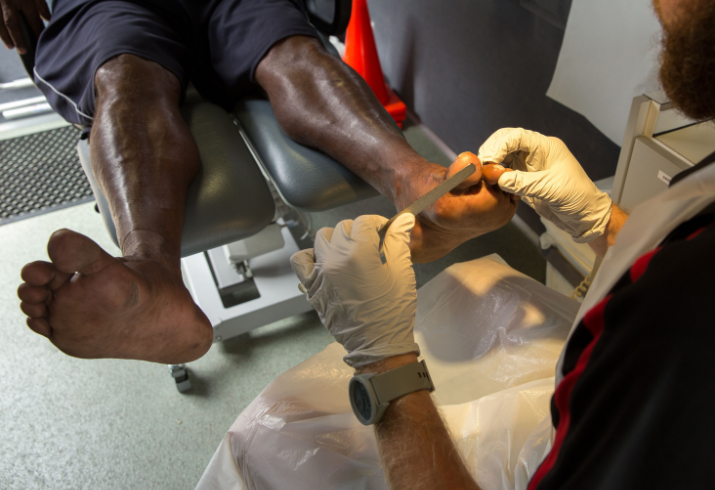
A new Kimberley-based research project has highlighted opportunities to strengthen culturally safe care for Aboriginal people in the Kimberley who are living with diabetes related foot disease (DFD).
In an excellent example of cross-agency cooperation, the Healing Steps on Country—Exploring Care Pathways for Aboriginal People in the Kimberley With Diabetes-Related Foot Disease is a collaboration between WA Country Health Service, Kimberley Aboriginal Medical Services, Boab Health Services, Kimberley Renal Service, The University of Notre Dame and the Rural Clinical School of Western Australia.
Published in the Australian Journal of Rural Health, the project is the first in-depth account of Aboriginal peoples’ experiences living with DFD and navigating care pathways in the Kimberley.
DFD disease is one of the most serious complications of diabetes, and is the leading cause of lower limb amputation in Australia, with associated mortality rates higher than some cancer. These rates highlight the need for early intervention and culturally safe models of care.
Data analysis from the project indicated that nine in 10 patients had their first foot care episode in clinic, as well as nine in 10 requiring hospitalisation for their foot at some point.
The article also identified several service improvement opportunities, including empowering patients to better manage their own care where possible, as well as expanding training opportunities to strengthen the regional workforce and utilising telehealth and digital tools to help support self-care.
There is also scope to create resources in collaboration with local Aboriginal people, particularly those with lived experience of DFD and diabetes and foster improved access to Aboriginal Liaison Officers.
WA Country Health Service Senior Podiatrist Sarah Tomlinson said diabetes-related foot disease was having a devastating impact on Kimberley communities and required coordinated action.
“For many Aboriginal people in the Kimberley, accessing diabetic foot ulcer care can involve travel, prolonged hospital stays and navigating a system that can feel overwhelming,” Sarah said.
“This project reinforces that we need to do more than treat wounds — we need to support people in the earliest stages, closer to home and in ways that are empowering and community-led.
“Improving diabetic foot ulcer care in the Kimberley is critical to reducing avoidable hospitalisations, preventing amputations and keeping people connected to family, culture and Country.”
The project reflects a shared commitment across health, community and academic organisations to improve outcomes for people living in the region.