

Australia eliminates trachoma after decades of targeted effort
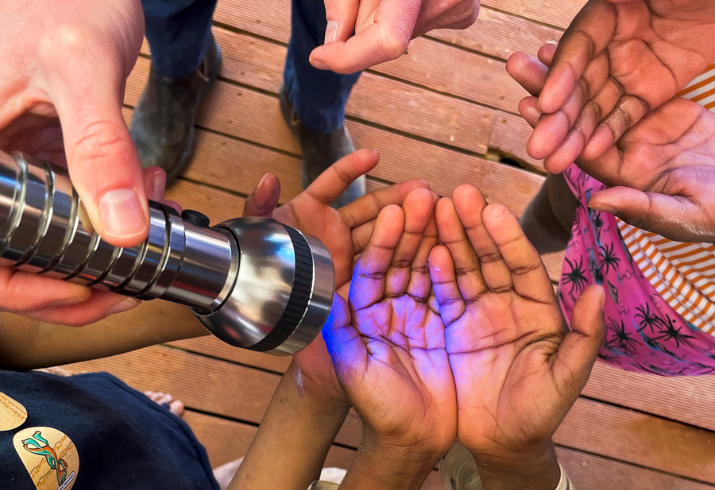
The World Health Organisation (WHO) has validated Australia for the elimination of trachoma as a public health problem. This is a major milestone that reflects decades of sustained, targeted public health actions working in collaboration with Aboriginal communities to reduce infection, improve hygiene and ensure access to care.
This achievement is significant because trachoma is the world’s leading infectious cause of preventable blindness. Its elimination in Australia demonstrates that coordinated strategies – such as, improved living conditions, and early treatment – can successfully interrupt transmission and prevent vision loss.
The control of trachoma in Western Australia has been achieved through strong collaboration and sustained partnerships among a wide range of stakeholders. These include the WA Country Health Service, Aboriginal Community Controlled Health Organisations, the Aboriginal Health Council of Western Australia, the Public and Aboriginal Health Division of the Department of Health, non-profit organisations, and academic institutions – alongside, most importantly, local Aboriginal communities.
Over time, coordinated efforts in screening, treatment, and prevention have contributed to a steady decline in trachoma prevalence. These activities have been supported by broader improvements in housing, sanitation, and hygiene – key factors in reducing transmission.
In Australian communities identified as being at risk, trachoma prevalence has reduced in Aboriginal and Torres Strait Islander children aged 5-9 years from 14.9 per cent in 2009 to 1.5 per cent in 2024. However, persistent endemic trachoma remains in some remote communities.
To maintain elimination status, Western Australia will continue its commitment to trachoma control. This includes ongoing screening and treatment when required, as well as environmental health and health promotion initiatives across all at-risk communities. These sustained efforts will remain critical in ensuring long-term, sustainable reductions and preventing future re-emergence of the disease.
Robyn Gibson, Program Manager trachoma stated, “The WA trachoma program recognises the contributions of a wide range of diverse stakeholders including, Aboriginal Community Controlled Health Sector, the WA Country Health Service regional trachoma teams, Environmental Health Directorate and community partners for their long-term commitment and tireless efforts in reducing trachoma prevalence.”
WA Country Health Service Director Public Health Medicine Dr Marisa Gilles said the endorsement comes with an important reminder – continued vigilance is critical in preventing trachoma from returning.
“Investment in social determinants of health is a must,” Dr Gilles said.
“To sustain elimination, we must ensure ongoing access to primary healthcare, continue to educate communities on hygiene, and further upgrade environmental infrastructure.”